Get back safe rear visibility fast with precise installation, vehicle specific tempered safety glass, and clear pricing before work begins.
Workmanship Warranty
Services
Certified
2015
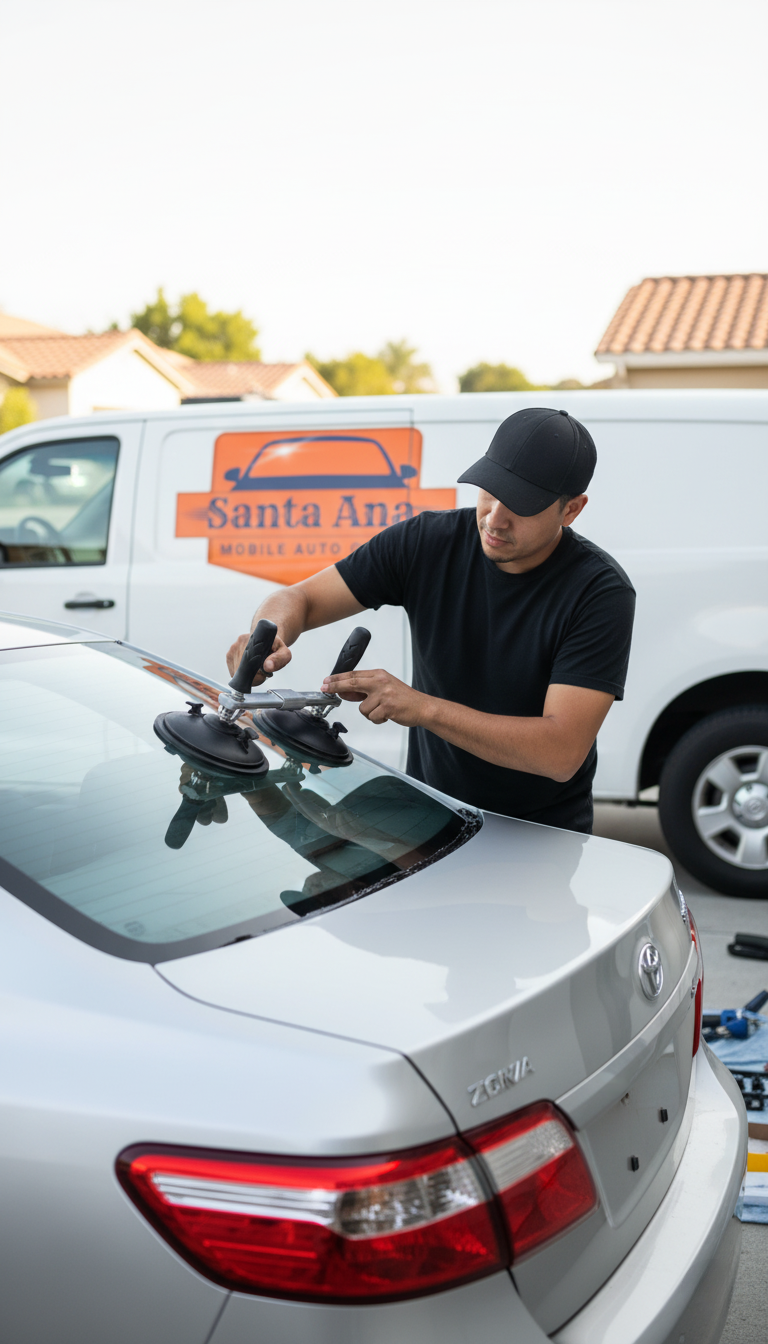
Fast mobile service. Fill out the form and our team will contact you shortly.
Full replacement is usually required because tempered rear glass loses structural integrity once damage spreads. The rear glass also supports built-in features, so correct replacement protects both fit and function.
Tempered glass can fracture suddenly once a chip or crack moves beyond minor surface damage. Replacement becomes the standard solution when the glass no longer holds dependable strength.
Rear windows often include a rear defroster grid, antenna elements, or rear wiper related fit requirements. Damage can affect those built-in components, so replacement with the correctly configured rear glass is usually the right fix.
Rear glass replacement includes glass verification, cleanup, bonding surface preparation, installation, reconnection, and final quality checks. Each step supports correct fitment, sealing, and feature compatibility.
A technician confirms the rear glass configuration before installation starts. That check includes the defroster grid, privacy tint, antenna elements, rear wiper compatibility, and sliding rear window design when applicable. Optional VIN verification helps confirm the correct part faster.
Technicians protect interior surfaces and the cargo area during removal and installation. That step helps control shattered glass and keeps the vehicle cleaner during service.
Technicians remove damaged rear glass and perform a detailed vacuum cleanup in the cabin and cargo area. A final sweep clears remaining fragments and prepares the opening for replacement.
Technicians clean and prepare the mounting area and the metal frame around the rear opening, often called the pinch weld. Proper surface preparation helps the new rear glass bond securely and seal correctly.
Technicians install vehicle-specific tempered safety glass matched to the exact make, model, and configuration. Correct glass selection supports proper fit, sealing, and compatibility with rear glass features.
Technicians confirm alignment and seal contact so the rear glass sits correctly with the surrounding trim and molding. A correct fit supports leak resistance and reduces wind noise caused by poor alignment.
Technicians complete the final cleanup and review the finished installation before handoff. That final check confirms clear rear visibility and proper fit.
Rear defroster compatibility matters because many rear glass units include an integrated defroster grid. Correct glass matching and proper reconnection help preserve rear defrost function after replacement.
If the vehicle has rear defrost, the replacement rear glass must match the correct defroster grid design and configuration. That match supports compatibility with the original system.
Technicians reconnect the rear defroster electrical connectors during replacement when the vehicle includes rear defrost. Correct reconnection supports normal system operation.
Technicians check the rear defroster connection after installation to confirm the system works with the replacement setup.
Rear glass features affect fitment, part selection, and installation complexity. Matching those features helps the replacement glass align with the original vehicle design.
Many vehicles use privacy tint on the rear window. Matching that tint helps maintain the original appearance when parts availability supports it.
Some rear windows include antenna elements inside the glass. Technicians confirm the configuration before quoting and installing the replacement.
Vehicles with a rear wiper need rear glass that matches the mounting and clearance requirements of that system. Technicians verify compatibility before installation.
Many rear glass designs interact with the third brake light area and the surrounding trim. A correct fit in that area supports clean alignment and proper installation.
Some truck models use a sliding rear window design. Rear glass replacement for those vehicles must match the original style and configuration.
Professional rear glass replacement follows a clear sequence that supports safe removal, correct bonding, feature reconnection, and final quality checks. Each stage helps the new rear glass fit and seal correctly.
Technicians confirm the vehicle and rear glass configuration before work starts. That check includes tint, defroster, antenna elements, rear wiper compatibility, and sliding rear window design when applicable.
Technicians remove the damaged rear glass, manage debris, and prepare the mounting area for the new installation. This step supports correct bonding and fitment.
Professional grade urethane adhesive bonds the new rear glass to the vehicle opening. Technicians align the glass carefully to support a secure, sealed fit.
Technicians reconnect rear defroster wiring and other applicable integrated components, then check those systems against the installed setup.
Technicians complete interior cleanup, remove reachable glass fragments, and inspect the finished appearance and fit before handoff.
After replacement, the technician provides readiness guidance based on installation conditions and adhesive curing requirements. That guidance helps protect the new bond before normal driving.
Scheduling and service time depend on vehicle design, rear glass features, and installation conditions. Once the correct rear glass is confirmed, most appointments move efficiently.
Mobile rear glass replacement allows service at the vehicle location when working conditions are safe for installation.
Many rear glass replacements take about 1 to 2 hours on site. Vehicle design, privacy tint, rear defroster connectors, and integrated features can affect the total service time.
Urethane adhesive needs a curing time before the vehicle is ready for normal driving. The technician provides the correct safe drive away time guidance for the specific installation.
Rear glass replacement pricing depends on the vehicle, rear opening design, glass type, and built-in features. Accurate quoting starts with the correct identification of the rear glass configuration.
Vehicle make and model determine the rear opening shape, required glass part, and installation design. Those details directly affect pricing.
OEM, OEE, and quality aftermarket options may be available depending on the vehicle and parts availability. The selected option affects the quote.
Privacy tint, rear defroster grid, antenna elements, rear wiper compatibility, and sliding rear window design can increase part complexity and installation requirements.
We confirm the year, make, model, and body style before quoting. We also confirm rear glass features such as defroster, tint, antenna elements, rear wiper compatibility, and sliding rear window design, along with whether shattered glass remains inside the cabin or cargo area.
Rear glass replacement cost depends on vehicle year, make, model, glass configuration, and features like tint, defroster, and antenna elements. Accurate pricing requires vehicle details to match the correct glass and components. Provide full vehicle information to receive a precise quote.
Rear windshield replacement takes about 1 to 2 hours for most vehicles. Time varies based on vehicle design and rear glass features. Adhesive curing adds additional time before safe driving. Technicians provide exact timing based on installation conditions and adhesive requirements.
Replace the rear glass with mobile service when site conditions are safe, and the correct glass is confirmed. Mobile technicians perform a full replacement at your location while maintaining installation standards. Service availability depends on weather, workspace safety, and glass compatibility.
Restore rear defroster function by installing a glass matched to the defroster grid and reconnecting all electrical connectors. Verify operation after installation to ensure proper heating performance. Correct matching and reconnection ensure consistent defroster functionality.
Match factory tint by confirming privacy glass specifications and sourcing the correct tint level for the vehicle. Many rear windows include built in privacy tint. Availability depends on the manufacturer's specifications and the glass supply for the specific vehicle.
Safe drive away time is the minimum time required for the windshield adhesive to cure for normal driving. Typical ranges fall between 30 minutes and 2 hours, depending on adhesive type, temperature, and humidity. Technicians provide exact timing to ensure safe vehicle operation after installation.
Contact Santa Ana Mobile Auto Glass now for rear glass replacement.
Request a Quote